If you are drawn to big views and clean modern design, Diamond Heights deserves a closer look. This San Francisco hillside neighborhood offers a combination that can be hard to find: open-sky outlooks, architecturally significant housing, and everyday convenience built into the original plan. If you want to understand why buyers keep coming back to Diamond Heights, this guide will show you what makes it stand out. Let’s dive in.
Diamond Heights Was Planned Differently
Diamond Heights does not follow the typical San Francisco street grid. According to San Francisco Planning, it was designed as a new residential district shaped by steep slopes, curving streets, and limited access points, with a plan that worked with the land instead of forcing a rigid layout onto it.
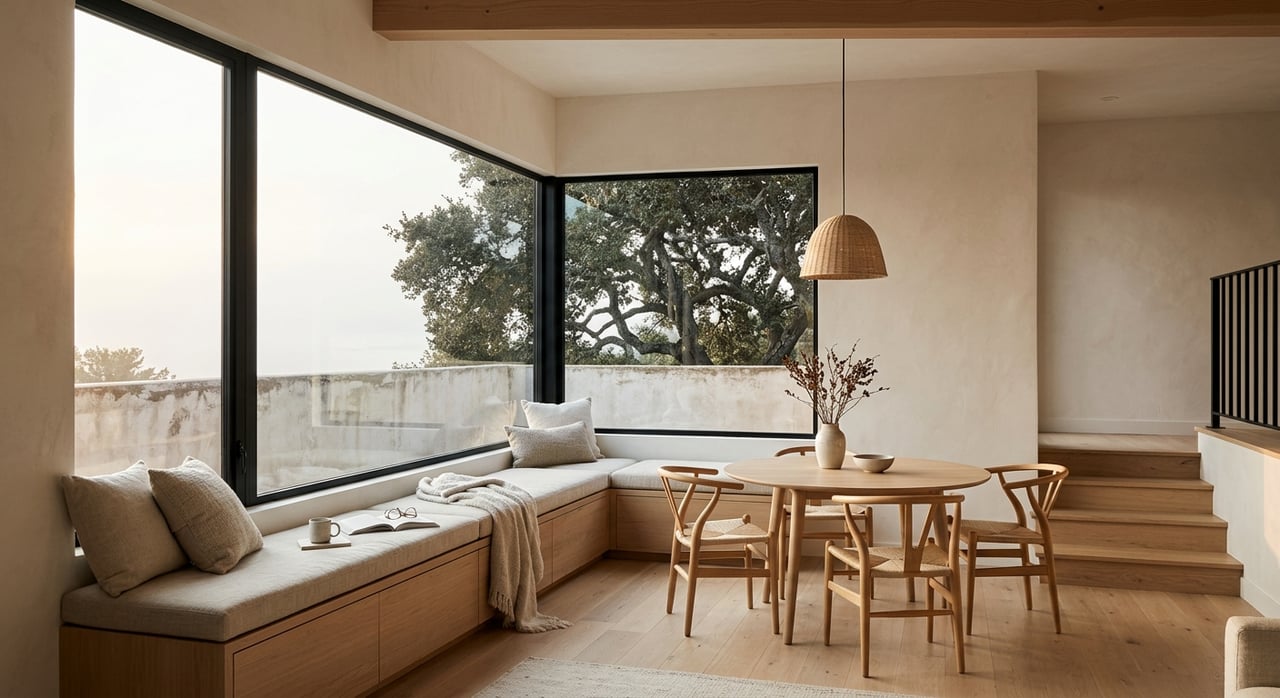
That matters because the neighborhood experience feels intentional. The topography helps create broader outlooks, more visual breathing room, and a stronger connection to the hillside setting. For buyers who value views, that original planning concept still shows up in daily life.
San Francisco Planning also describes Diamond Heights as a complete-community concept. The plan included homes, shopping, churches, playgrounds, schools, and a firehouse, which helps explain why the area feels more self-contained than many other hill neighborhoods.
Why View Lovers Notice Diamond Heights
In many San Francisco neighborhoods, a great view comes down to one block, one side of the street, or one lucky floor. In Diamond Heights, the hilltop setting is part of the neighborhood identity.
One of the clearest examples is Billy Goat Hill. San Francisco Recreation and Park describes it as a hilltop park in Diamond Heights with amazing views of the city and bay, along with steep switchback trails leading up to a viewpoint.
That kind of access changes how a neighborhood lives. Even if you are not standing inside a view home, the surrounding streets, open sky, and nearby hilltop parks reinforce the sense that you are living above the city rather than in the middle of it.
Walter Haas Park sits just across Beacon Street from Billy Goat Hill. Together, these open spaces strengthen the area's hilltop character and give residents more ways to enjoy the landscape without traveling far.
Trails and Open Space Add Daily Value
Diamond Heights is not only about what you can see from a window. It is also about how easily you can plug into outdoor space.
George Christopher Playground adds another layer to the neighborhood. San Francisco Recreation and Park describes it as open space in Diamond Heights with trails that connect to nearby Glen Canyon, along with a playground, softball field, tennis courts, and basketball courts.
That connection to Glen Canyon is a big part of the appeal. Glen Canyon Park is a 66.6-acre recreation area with hiking trails, dramatic rock formations, and Islais Creek, according to San Francisco Recreation and Park.
For people who love views, the broader trail network matters too. The Creeks to Peaks Trail information notes a 3.7-mile trail network and a 1.8-mile moderate-to-strenuous route from Glen Canyon to Twin Peaks, where the summit offers 360-degree views.
In practical terms, this means Diamond Heights offers more than a scenic backdrop. It gives you nearby access to walking trails, hilltop viewpoints, and a more outdoors-connected lifestyle.
Diamond Heights Has Real Modernist Credibility
Some neighborhoods have a few standout modern homes. Diamond Heights offers something more cohesive.
A San Francisco landmark application describes it as one of the city's largest and most cohesive Modernist residential neighborhoods. The same planning record says it contains San Francisco’s largest collection of architect-designed mid-century homes and condominiums.
For a design-minded buyer, that is a major distinction. The neighborhood does not feel like scattered postwar architecture. It reads as a concentrated modernist district with a consistent visual identity.
San Francisco Planning also notes that Diamond Heights includes single-family homes, duplexes, townhouses, apartments, and condominiums. Much of that built environment reflects Second Bay Tradition or Midcentury Modern design.
What Kinds of Homes You’ll Find
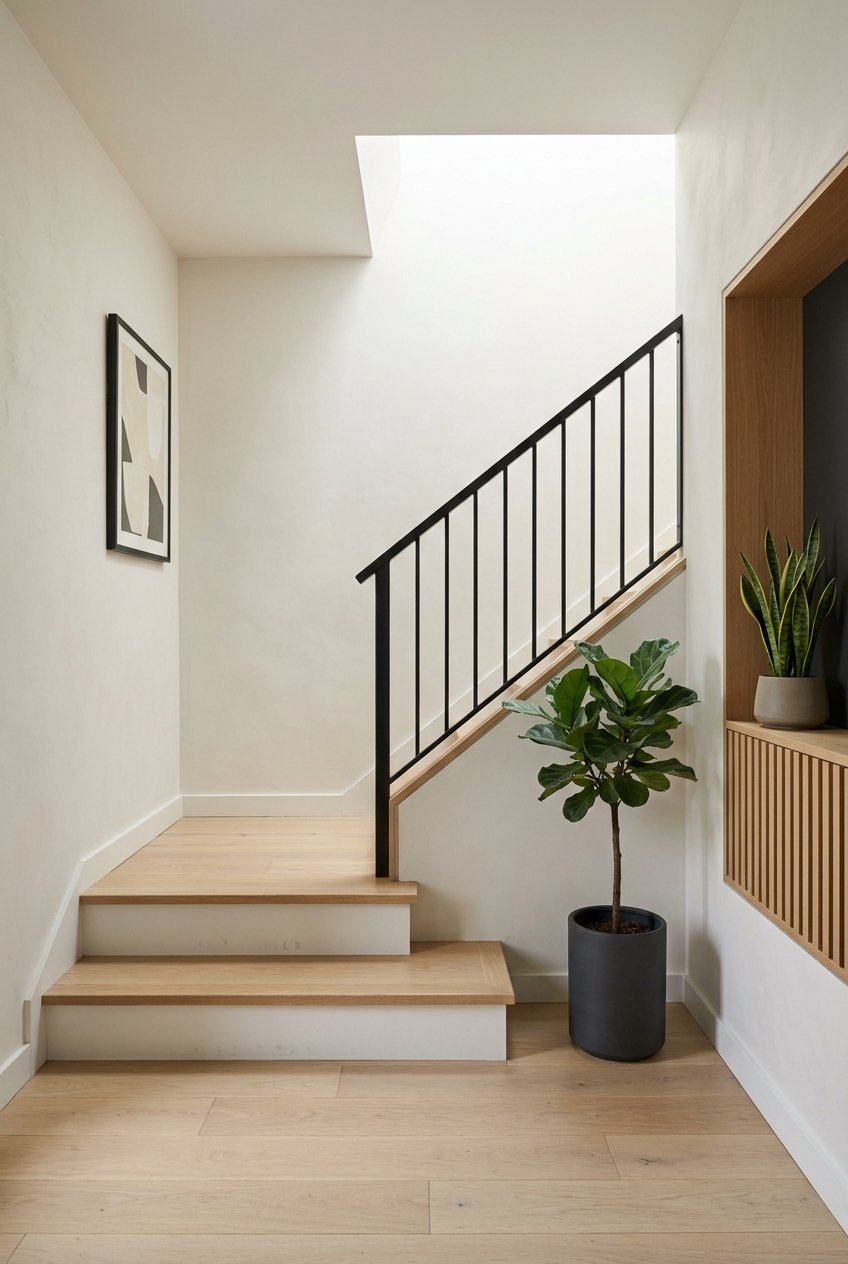
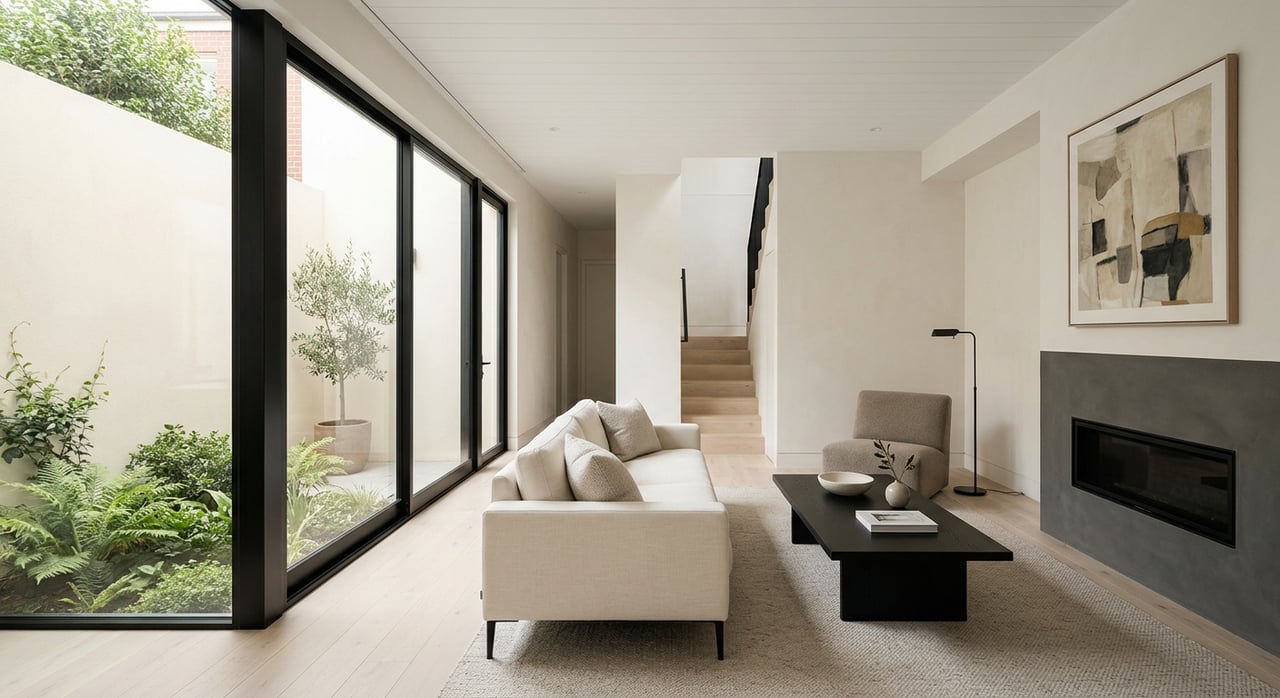
One reason Diamond Heights appeals to a wide range of buyers is the variety of housing types. You can find single-family homes, split-level townhouses, condos, duplexes, and apartment-style buildings, often with architecture that responds directly to the sloped terrain.
Planning materials identify clusters of individually designed Midcentury Modern single-family homes in the neighborhood. That adds a custom, architect-led quality that stands out from more repetitive housing patterns.
The area is also notable for Eichler-connected design. San Francisco Planning identifies Claude Oakland-designed Eichler houses in Diamond Heights and describes nearby Eichler tract homes with split-level floor plans, enclosed courtyards, and narrow angled bay-window configurations.
On sloped sites along Amber Drive, planning records also describe split-level townhouses with projecting eaves, cantilevered overhangs, and flat roofs. These details help explain why the neighborhood continues to attract buyers who care about form, light, and design.
The Architect Roster Matters
For serious modernist fans, Diamond Heights offers more than a general mid-century look. Public planning documents connect the neighborhood to names such as Joseph Eichler, Claude Oakland, Cohen & Leverson, Hayes & Smith, Harold Dow, Arthur Gensler, Joseph Esherick, and Beverly Willis.
That concentration of design talent gives the neighborhood unusual depth. It is one thing to buy a home with modern lines. It is another to live in a neighborhood where architecture was central to the original vision.
If you are comparing San Francisco neighborhoods with design in mind, that distinction can carry real weight. Diamond Heights offers both individual homes of interest and a broader architectural story that feels coherent at the neighborhood level.
Modern Planning Extends Beyond the Homes
Diamond Heights was not planned as a collection of houses alone. Its neighborhood center was part of the concept from the start.
San Francisco Planning describes the Diamond Heights shopping complex as a one- and two-story commercial center with floor-to-ceiling windows, cantilevered walkways, roof overhangs, pedestrian courtyards, a grocery anchor, and neighborhood-serving small businesses. In other words, the modernist thinking extended into the everyday retail experience.
That is part of why the neighborhood feels so functional. You get hillside residential character without giving up the convenience of nearby daily-use services.
Nearby Glen Park Adds Practical Convenience
For even more day-to-day options, Glen Park plays an important supporting role. San Francisco Planning says Glen Park’s neighborhood commercial district runs mainly along Diamond and Chenery Streets and includes restaurants, cafes, banks, salons, a grocery store, and a library within a few blocks.
The same planning material describes Glen Park as having a village atmosphere built around pedestrians and transit. It also highlights the district’s proximity to BART and surrounding homes.
For Diamond Heights residents, that nearby commercial core adds flexibility. You can enjoy the quieter hillside setting while still having access to a neighborhood-scale retail and service district close by.
Why the Balance Works So Well
A lot of San Francisco buyers are trying to balance competing priorities. They want visual openness, thoughtful design, access to nature, and enough convenience to make daily life easy.
Diamond Heights brings those elements together in a way that feels unusually complete. The neighborhood offers broad views, modernist architecture, trail and park access, a planned shopping center, and proximity to Glen Park’s commercial corridor.
That balance is the heart of its appeal. If you love architecture, the design story is real. If you love views, the hillside setting delivers. If you want both without feeling isolated, Diamond Heights makes a strong case.
Who Tends to Appreciate Diamond Heights Most
Diamond Heights often resonates with buyers who are looking for something more specific than just square footage or a mailing address. It tends to attract people who notice site placement, window orientation, rooflines, and how a neighborhood feels from the street.
It can also appeal to buyers who want San Francisco access with a little more visual openness and park connectivity. The combination of planned modernism and hillside geography gives the area a personality that feels distinct within the city.
For sellers, those same qualities can be powerful when a home is prepared and positioned well. Unique homes often need clear storytelling, strong presentation, and strategic marketing to help buyers understand what makes them special.
If you are considering a move in or out of Diamond Heights, working with someone who understands architectural character, neighborhood context, and how to market view-driven homes can make a meaningful difference.
If you are exploring Diamond Heights because you love views, modern architecture, or both, James Rowbotham can help you evaluate the neighborhood with a strategic local lens.
FAQs
What makes Diamond Heights different from other San Francisco neighborhoods?
- Diamond Heights was planned around steep topography, curving streets, open space, and neighborhood services, which gives it a more intentional hillside feel than a typical city grid.
What types of homes are common in Diamond Heights?
- The neighborhood includes single-family homes, duplexes, townhouses, condominiums, and apartments, with many examples of Midcentury Modern and Second Bay Tradition design.
Why do modern architecture buyers look at Diamond Heights?
- San Francisco planning records describe Diamond Heights as one of the city’s most cohesive Modernist residential neighborhoods and note its large concentration of architect-designed mid-century homes and condos.
Where can you find views and trails near Diamond Heights?
- Nearby options include Billy Goat Hill, Walter Haas Park, George Christopher Playground, Glen Canyon Park, and trail connections that lead toward Twin Peaks.
Does Diamond Heights have nearby shopping and services?
- Yes. The neighborhood was planned with its own shopping center, and nearby Glen Park adds restaurants, cafes, a grocery store, banks, salons, and a library.
Why does Diamond Heights appeal to view lovers?
- Its hilltop setting, open-sky feel, and access to viewpoint parks and trails create a strong sense of visual openness and broad city-and-bay outlooks.