If you price a luxury home in Noe Valley like an average home, you can leave real money on the table or slow down momentum right out of the gate. That is a frustrating place to be when your home may have views, architectural details, or a level of finish that buyers cannot easily replace. The good news is that strategic pricing is not guesswork. It is a disciplined process built on local sales, buyer behavior, presentation, and timing. Let’s dive in.
Why pricing matters in Noe Valley
Noe Valley is not a generic San Francisco submarket. Recent Redfin data shows a median sale price of about $2.32 million, a median 12 days on market, and a median price per square foot of roughly $1.55K. The same data also shows Noe Valley as a highly competitive market, with the average home selling about 22% above list price and going pending in around 13 days.
That headline number gets attention, but it can also mislead sellers. A home selling far above list does not mean every property should simply be listed low and hope for a bidding war. It means buyers are responding strongly when the price, condition, and presentation line up with what the market sees as value.
Countywide conditions support that urgency. SFAR’s March 2026 MLS report shows San Francisco County at 1.8 months of supply, with 85% of single-family homes selling over list price and 71% of all properties selling over list. In a market like that, pricing is less about chasing a number and more about creating the right launch strategy.
Start with the micro-market
Luxury pricing in Noe Valley should begin with recent closed sales in the same micro-market. That means looking at homes with similar size, layout, lot characteristics, finish level, and overall buyer appeal. In a neighborhood where homes move quickly and many sell over list, small differences can create large pricing swings.
This is especially true for unique homes. A remodeled view home with strong natural light and a polished layout does not compete the same way as a larger but dated home with a choppy floor plan. Strategic pricing has to reflect what buyers are actually rewarding now, not just what sounds reasonable on paper.
Why Noe Valley can command a premium
Noe Valley often earns a premium, but that premium is not automatic. Compared with nearby areas, the neighborhood stands out for both buyer demand and convenience. Walk Score lists Noe Valley at 94, compared with 83 for Glen Park and 76 for Diamond Heights.
The market behavior lines up with that difference. Noe Valley has a median 12 days on market and average sales around 22% above list, while Glen Park is around 15 days and 20% above list, and Diamond Heights is around 21 days and 9% above list. That suggests buyers are willing to move faster and pay more in Noe Valley when the home itself supports the premium.
For sellers, the takeaway is simple. Your asking price should reflect Noe Valley’s stronger position, but it still has to be earned through the property’s quality, location within the neighborhood, and overall presentation.
Condition is part of the pricing strategy
In the luxury tier, condition is not just a finishing touch. It is part of the value case buyers use to justify a premium offer. Redfin’s luxury-homebuyer survey found that buyers and agents place strong value on features such as double vanities, kitchen islands, quartz or granite counters, walk-in pantries, high-end appliances, and open-concept floor plans.
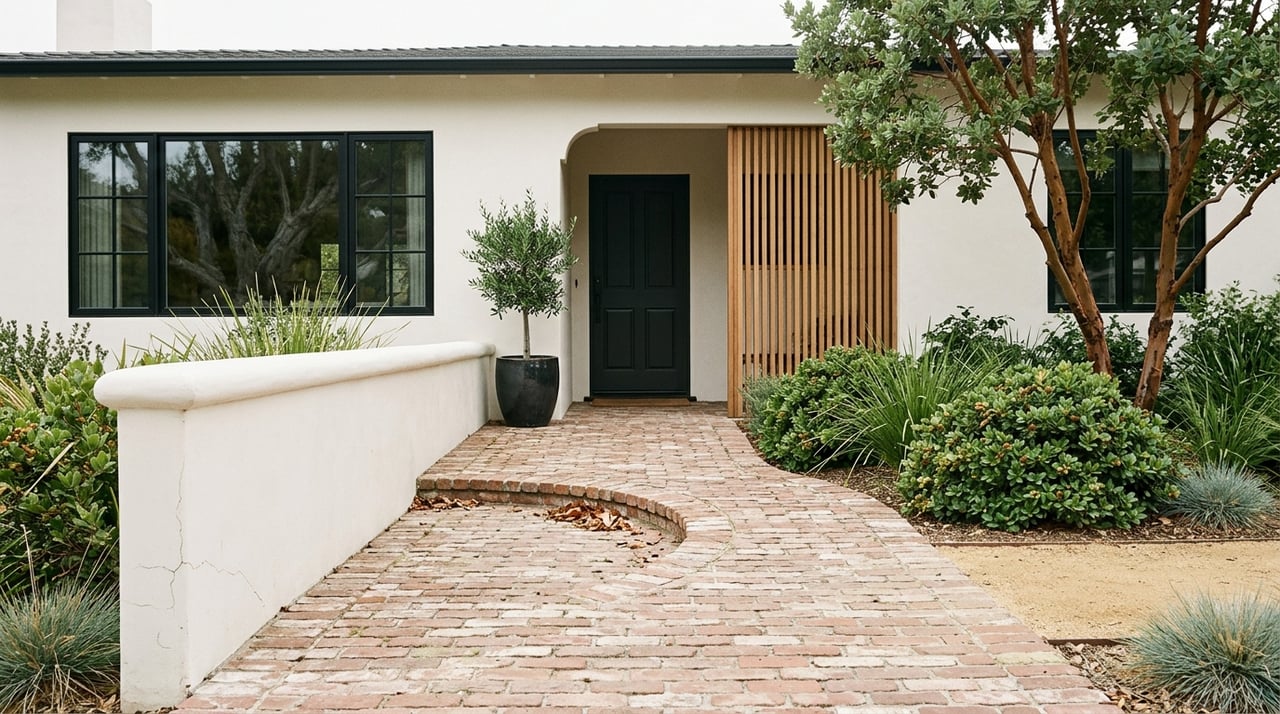
The same research also highlights common turnoffs. Outdated kitchens, weak curb appeal, and outdated bathrooms can quickly undercut the price a buyer is willing to pay. In other words, buyers may pay a premium for a home that feels polished and move-in ready, but they are less likely to stretch for one that feels like a project.
That pattern also shows up in San Francisco home-trend data. Features like double ovens, new appliances, foyers, and wet bars were among the strongest sale-to-list performers in winter 2025. These are not guarantees, but they are useful signals of what helps buyers feel that a premium home is worth premium pricing.
Presentation shapes buyer perception
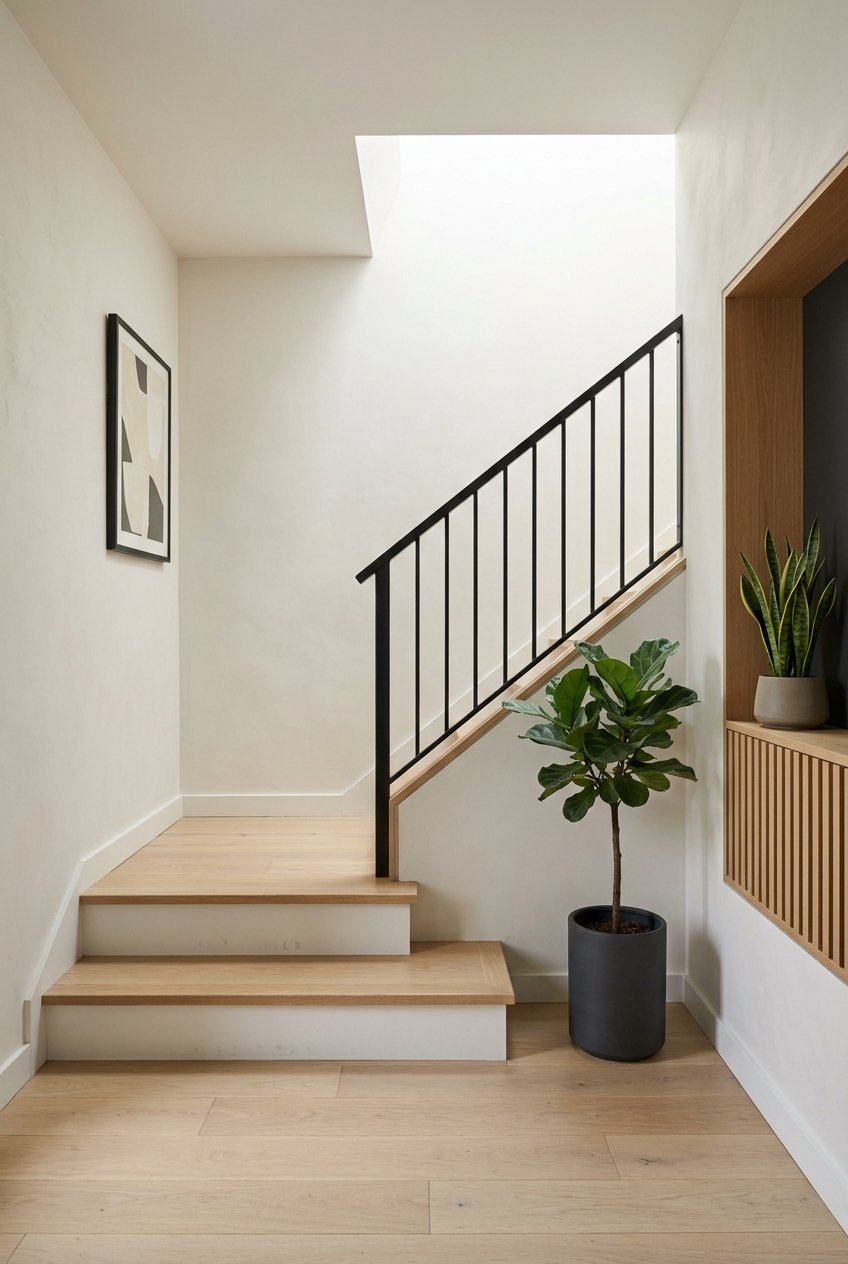
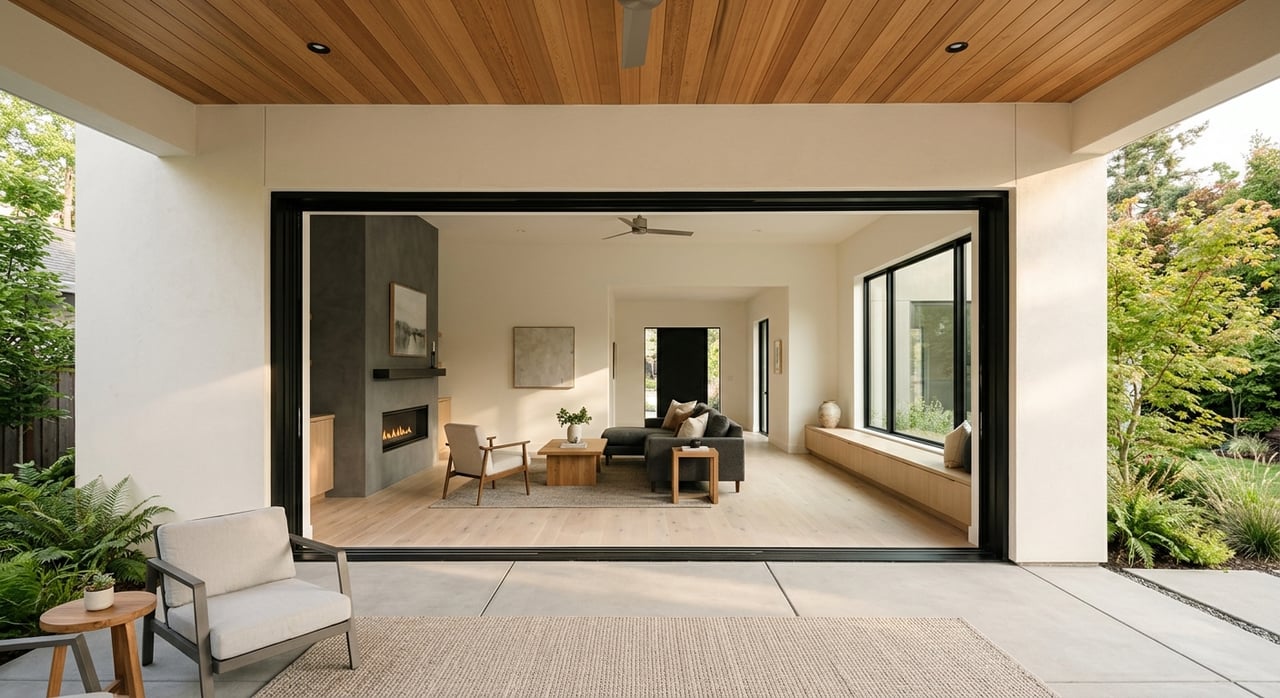
A luxury home’s first showing often happens online. That means photography, staging, floor plans, and video are not separate from pricing. They help buyers decide whether your home feels worth the number before they ever step through the door.
NAR reports that 52% of buyers found the home they purchased on the internet. It also found that photos were the most useful website feature for nearly nine in 10 buyers age 58 and under. If your home needs to communicate value fast, visual presentation becomes part of the pricing strategy.
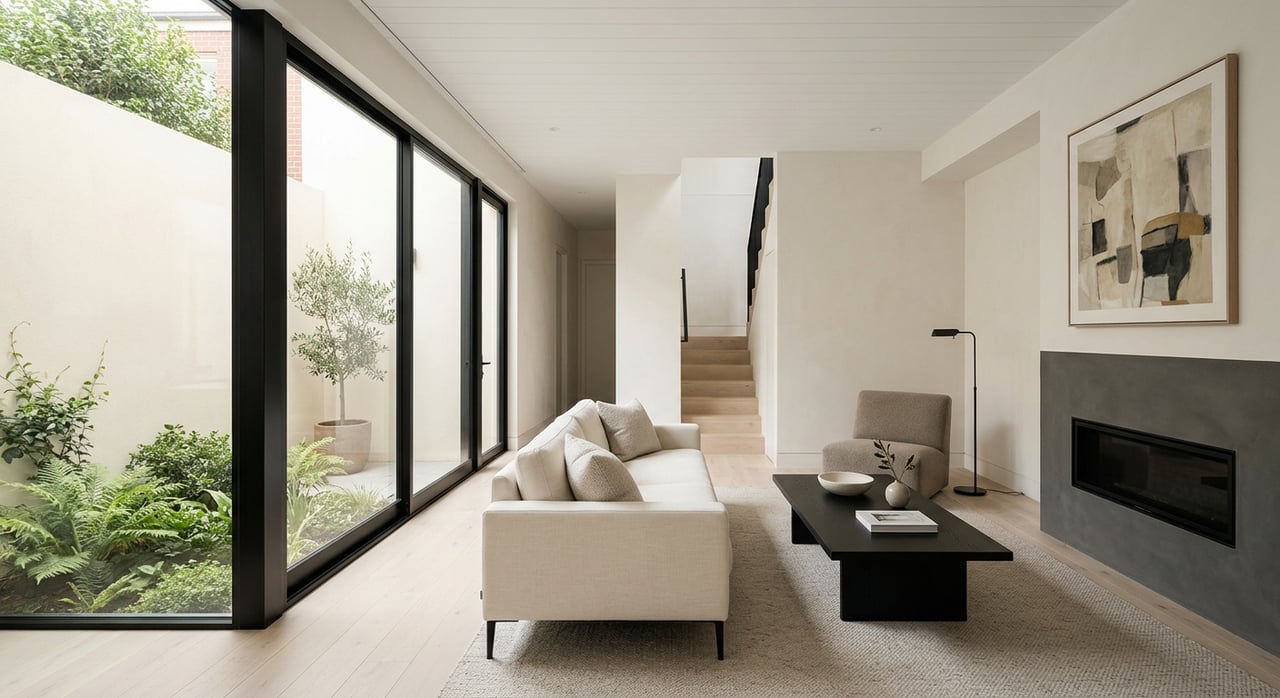
Staging supports that effort. NAR’s 2025 staging profile found that 83% of buyer agents said staging helps buyers visualize a property as a future home. On the seller side, 19% of agents said staging greatly reduced time on market and 30% said it slightly reduced time on market.
The price impact of staging is less predictable. Most reported value gains were modest, often in the 1% to 5% range. Still, in a fast-moving luxury market, stronger buyer response and faster momentum can be just as important as the direct price bump.
Views and walkability can change the number
In San Francisco, views are not just nice to have. Local planning analysis treats view quality as monetized value in development economics, with example premiums ranging from 5% to 20% depending on the building context. That does not translate directly to a single-family home in Noe Valley, but it does support something sellers already sense: real views can have real pricing power.
Walkability matters too, though in a more conditional way. Research summarized in the report shows that higher walkability often correlates with stronger property values, especially in larger cities and in neighborhoods with more detached homes. In practical terms, Noe Valley’s walkability helps support demand, but it works alongside condition, design, and scarcity rather than replacing them.
If your home has both strong walkability and meaningful views, that combination may support a more confident pricing position. If it has one but not the other, pricing should reflect that balance honestly.
How to avoid overpricing a luxury home
The biggest pricing mistake in Noe Valley is assuming the neighborhood premium will carry a home no matter what. Buyers in this segment are paying attention. They notice outdated finishes, awkward layouts, weak natural light, and presentation that does not match the ask.
Overpricing can create friction even in a competitive market. If buyers feel the asking price is ahead of the home’s condition or features, you may lose the urgency that drives strong early offers. Once momentum slips, the pricing conversation becomes harder to control.
A better strategy is to anchor to recent closed sales and then adjust carefully for the factors that truly matter:
- Condition and move-in readiness
- Views and natural light
- Lot or site quality
- Architectural character
- Walkability and access to amenities
- How clearly the home’s value is communicated before showings
What a strong launch looks like
A strong Noe Valley launch is coordinated, not rushed. The pricing strategy should match the story the home tells through its condition, visuals, and market positioning. When those pieces line up, buyers are more likely to compete quickly.
For many sellers, that means focusing prep dollars where buyers notice the difference most. Based on the research, the strongest priorities are often kitchens, bathrooms, curb appeal, and the media assets that shape first impressions. That does not mean every seller needs a full renovation. It means the home should look intentional, clean, and easy to understand.
This is where a hands-on approach can make a difference. For unique or higher-end homes, pricing works best when it is paired with thoughtful preparation, premium media, and negotiation discipline from day one.
Strategic pricing is really market positioning
The best asking price is not just a number. It is a market position. In Noe Valley, that position should reflect recent neighborhood sales, current buyer urgency, the home’s visible quality, and the features buyers are rewarding right now.
That is especially important for architecturally distinctive homes, view properties, or listings that are harder to compare. These homes often need more than a broad market average. They need a pricing strategy built around what makes them competitive and hard to replace.
When that happens, the result is not just a better list price. It is a better launch, stronger leverage, and a clearer path to the kind of outcome sellers in Noe Valley are hoping for.
If you are thinking about selling in Noe Valley, a smart pricing plan should do more than estimate value. It should show you how preparation, presentation, and negotiation can work together to create demand. To talk through a strategy tailored to your home, connect with James Rowbotham.
FAQs
How much above list can a luxury home in Noe Valley sell for?
- Recent Redfin data shows the average Noe Valley home selling about 22% above list, but the result depends on the property type, condition, views, and launch strategy.
Does walkability affect luxury home pricing in Noe Valley?
- Yes. Noe Valley’s 94 Walk Score helps support buyer demand, but walkability works with other factors like condition, layout, views, and overall presentation.
Do views increase luxury home value in San Francisco?
- Often, yes. Local San Francisco planning analysis treats views as monetized value, which supports the idea that meaningful view quality can justify a stronger price position.
Is staging worth it for a Noe Valley luxury listing?
- Usually, yes. Research shows staging most reliably helps buyers visualize the home and can reduce time on market, while price gains are more variable.
What rooms matter most before pricing a luxury home?
- Kitchens and bathrooms tend to matter most, along with curb appeal and any updates that make the home feel polished, current, and move-in ready.
Should Noe Valley sellers compare their home to Glen Park or Diamond Heights?
- You can use those neighborhoods as reference points, but not direct substitutes. Noe Valley’s stronger walkability and sale-to-list performance often support a premium when the home is well positioned.