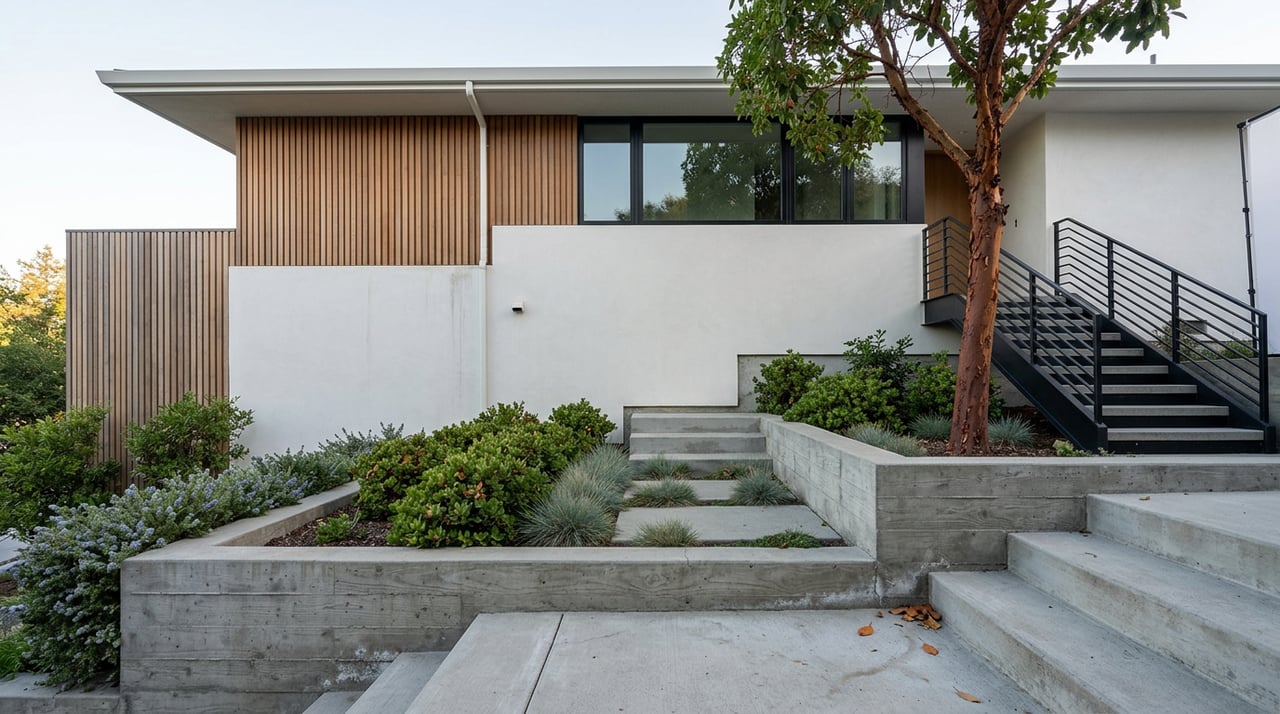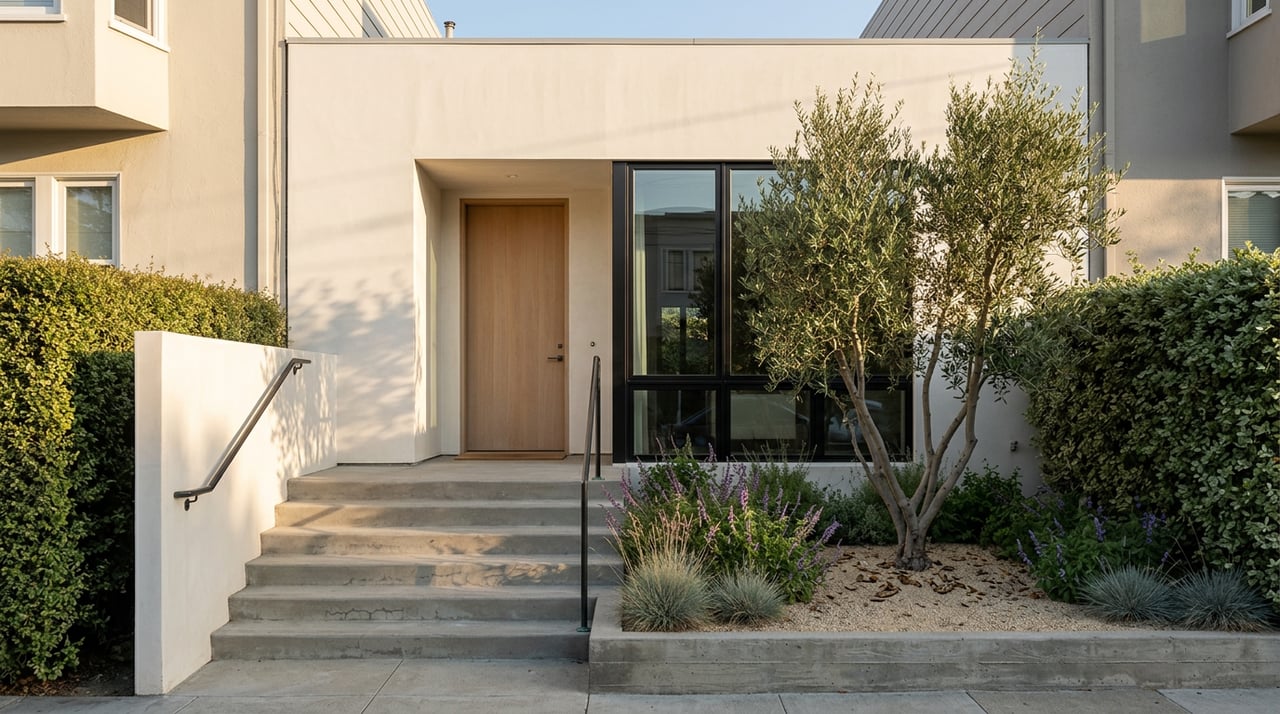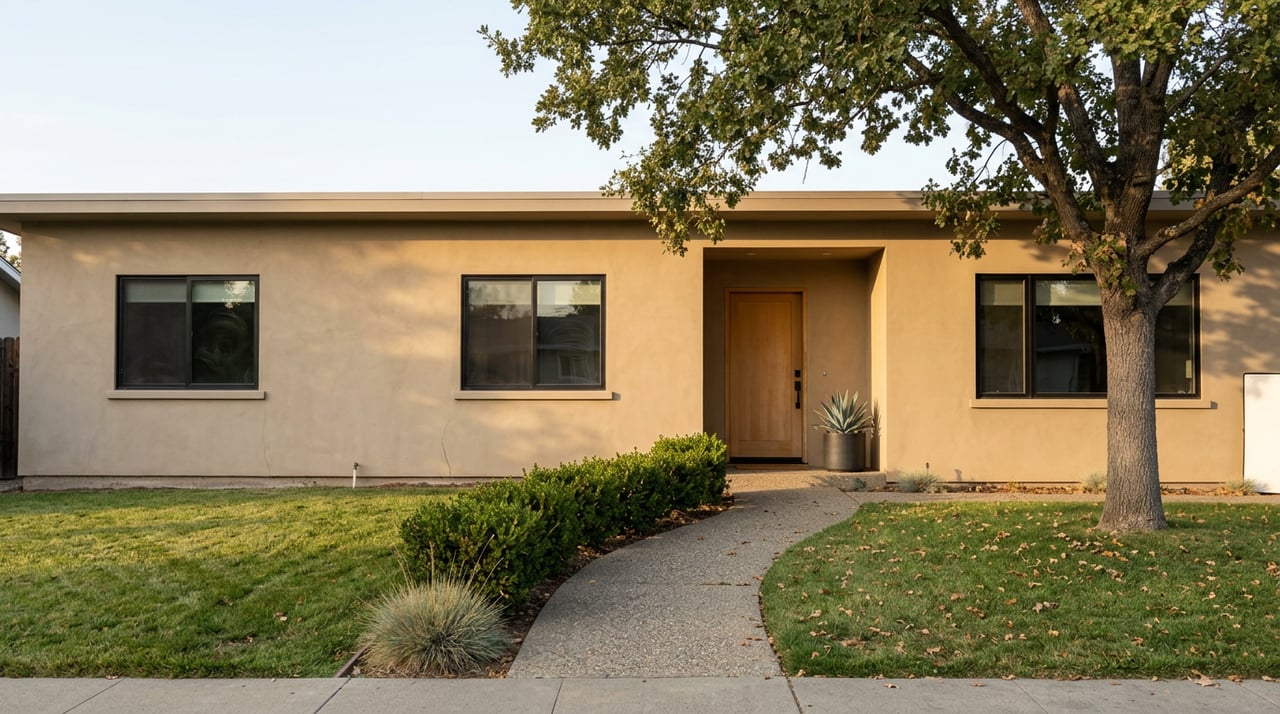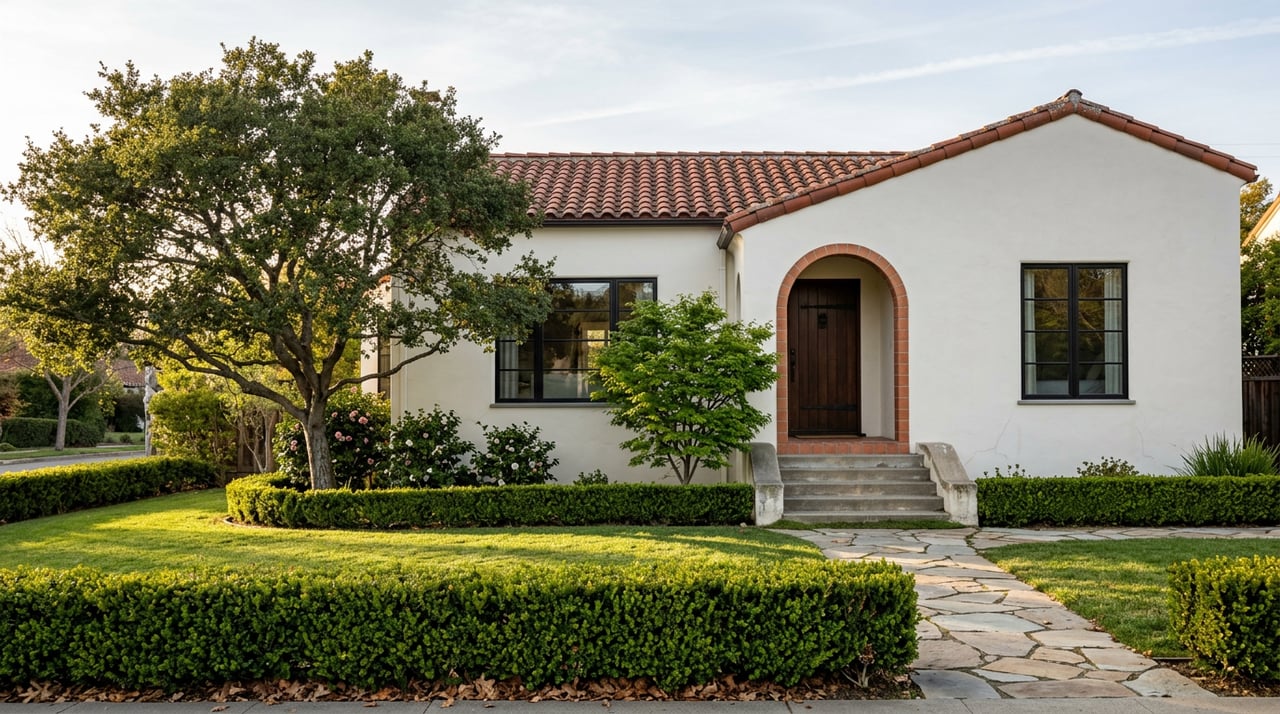
Ask three different sources when Ingleside Terraces became a historic district and you will get three different answers. One recent write-up on the greater Ingleside area states plainly that homeowners added Ingleside Terraces to the National Register of Historic Places back in 2022, grouping it with neighboring St. Francis Wood, which did earn that listing that year. But the Ingleside Terraces Homes Association's own site still describes the effort in the present tense: the neighborhood "is applying" to be listed. The San Francisco Standard reported in June 2025 that the association had submitted its application to the California Office of Historic Preservation only three months earlier. A project that started in 2008 is, by the committee chair's own description from 2024, still near the beginning.
That confusion is not a footnote. It is the story. If a local news outlet can get the timeline wrong, a buyer comparing listings across the west side of San Francisco has no reliable way to know, from the internet alone, what actually governs a house here today versus what might govern it two or three years from now. The useful question is not whether Ingleside Terraces has historic status. It is what already applies regardless of how that paperwork resolves.
The Review Board That's Already Operating
Long before anyone filed a state application, the Ingleside Terraces Homes Association built a Design Review Committee that reviews exterior changes across the neighborhood's roughly 742 homes. The association describes its own current role plainly: it already works to maintain the character of the neighborhood through architectural design review and input to the city planning department. This is not a future state. It is how the neighborhood functions right now, on every exterior remodel, addition, or facade change that comes before it.
Layered on top of that, San Francisco's planning code treats Ingleside Terraces as an eligible historic resource today, independent of any pending federal or state listing. The city has already placed the neighborhood in a category that recognizes its historic significance. One practical consequence: the planning code generally prohibits swapping original wood windows for vinyl on anything visible from the street in a building considered historic or eligible historic, and Ingleside Terraces already qualifies. A buyer who assumes they can quietly upgrade street-facing windows to vinyl during a future renovation is working from a rule that does not exist here, and has not existed here for some time.
This is the detail that gets lost in every generic neighborhood profile. The character protection people associate with a formal historic district is substantially already in place, enforced through a homeowners' association design review process and existing city eligibility, not waiting on a certificate from Washington.
What the National Register Listing Would Actually Add
If the current application succeeds, three things change that are not already true:
- Mills Act eligibility. Contributing homes gain access to a program that allows owners to deduct some qualifying improvement costs against property taxes, a benefit only available once formal designation is in hand, not while the neighborhood is merely eligible.
- A public comment layer. Exterior project proposals would need to go before neighborhood meetings with public comment attached, adding a procedural step to what is currently handled through the association's internal design review.
- Insulation from certain state streamlining laws. According to reporting from the San Francisco Standard, some newer state housing laws recognize only California Register-listed historic districts for exemption from permit and demolition streamlining, a distinction that did not carry much weight a decade ago and carries real weight now.
That third point is the one worth sitting with. San Francisco Heritage's president, Woody LaBounty, has connected the current wave of neighborhood historic applications directly to the state's push for housing production. The designation used to be, in his framing, a nice-to-have. It is increasingly a legal shield.
Why This Effort Is Happening Now, Not in 2010
Here is the incentive structure that explains the timing. Ingleside Terraces Homes Association started this application in 2008. It sat largely dormant for over a decade. Then, in March 2024, the association formed a dedicated Historic District Special Committee and partnered with San Francisco Heritage and architectural consulting firm Page & Turnbull to move it forward, with a total project cost reported at roughly $85,000.
Nothing about the neighborhood's architecture changed between 2008 and 2024. What changed is the state's housing production mandate and the growing legal weight attached to an actual listing. Once a listing became a genuine tool against upzoning pressure, rather than a plaque, the incentive to finish a fifteen-year-old application finally outweighed the cost and effort of finishing it. St. Francis Wood, a nearby residence park, had already completed the same process successfully in 2022, giving Ingleside Terraces homeowners a working template and a visible precedent one neighborhood over.
That context matters if you are comparing Ingleside Terraces against other west-side San Francisco neighborhoods for long-term stability. This is not a neighborhood drifting toward density change by default. It is a neighborhood actively organizing, funding, and litigating its own resistance to that pressure, on a timeline measured in years, using tools that other nearby enclaves have already tested successfully.
What Your Money Actually Buys Here
Public listing data through January 2026 put the median sale price in Ingleside Terraces at roughly $3.0 million, with price per square foot around $1.25 thousand, up meaningfully from the prior year. That number alone tells you the neighborhood is expensive. It does not tell you why.
Part of the answer is lot size. Homes here typically sit on lots two to three times larger than the San Francisco average, a legacy of Joseph A. Leonard's original 1911 residence-park layout on the site of the old Ingleside Racetrack. Urbano Drive still traces that oval today, which is why the street grid here looks nothing like the rest of the city. Architectural range is another factor: Craftsman, Prairie, Mediterranean Revival, Colonial Revival, and Tudor Revival homes sit within blocks of each other, all developed within a documented 1911 to 1937 period.
What this means practically: you are not paying only for square footage. You are paying for lot size, architectural pedigree, and a governance structure that has spent nearly two decades working to keep both intact. That combination is a large part of why prices have moved the way they have, and why they are unlikely to soften simply because the state wants more units built somewhere in San Francisco.
What This Means If You're Weighing Ingleside Terraces Against Somewhere Else
If you are comparing this neighborhood to Glen Park, Noe Valley, or the Sunset, do not decide based on whether Ingleside Terraces "has" historic status yet. Decide based on the fact that it already behaves like a protected neighborhood, through an active homeowners' association with real design review authority and a city planning designation that already restricts things like street-facing window replacements. The pending federal listing would add a tax benefit and a public hearing requirement. It would not be the moment the character protection begins. That moment already happened.
If preservation of lot size, architectural consistency, and predictable neighborhood change matters to your decision, that value is already priced in and already enforced. If you are hoping for renovation flexibility that a "not yet historic" label might imply, look elsewhere. The label is a formality. The review process is not.
A Few Questions Worth Asking Before You Write an Offer
Does the pending application affect my ability to get financing or insurance today? Not based on anything I found in current reporting. Lenders and insurers underwrite based on the property's present condition and the city's current eligible-resource status, not on a state application still working through review.
If I want to replace old windows, what actually governs that decision right now? San Francisco's planning code already restricts replacing street-visible original wood windows with vinyl in buildings the city considers historic or eligible historic, and Ingleside Terraces already carries that eligibility. That rule does not wait on the National Register outcome.
Will the Mills Act tax benefit apply to my house specifically? Only if your home is classified as a contributing resource once and if formal designation is achieved, a determination the ongoing survey work by Page & Turnbull and ITHA volunteers is still finalizing property by property.
If you are weighing a purchase or sale in Ingleside Terraces and want a clear read on how its design review process, lot economics, and pending designation actually affect your specific property, I would rather walk you through it directly than have you piece it together from three conflicting web pages. Reach out to James Rowbotham and let's connect.