Selling in San Francisco is rarely about simply putting a sign in the yard and waiting. In a market where citywide median sale prices are around $1.7 million, homes average about four offers, and many listings move in roughly two weeks, the way you prepare your home can shape how buyers respond from day one. If you want to protect your price, shorten your time on market, and present your property with confidence, the right pre-sale plan matters. Let’s dive in.
Why pre-sale prep matters in San Francisco
San Francisco is a high-price, fast-moving market, but it is not one-size-fits-all. Recent neighborhood data shows big differences in pace and pricing, from Noe Valley at about $2.349 million with 13 days on market to South of Market at about $1.2 million with 31 days on market and Tenderloin at about $564,000 with 35 days on market.
That matters because your prep strategy should match your submarket, price point, and property type. In hotter areas, strong presentation can help your home compete for multiple offers. In slower segments, thoughtful prep can help protect pricing and reduce extra days on market.
Start with the highest-impact basics
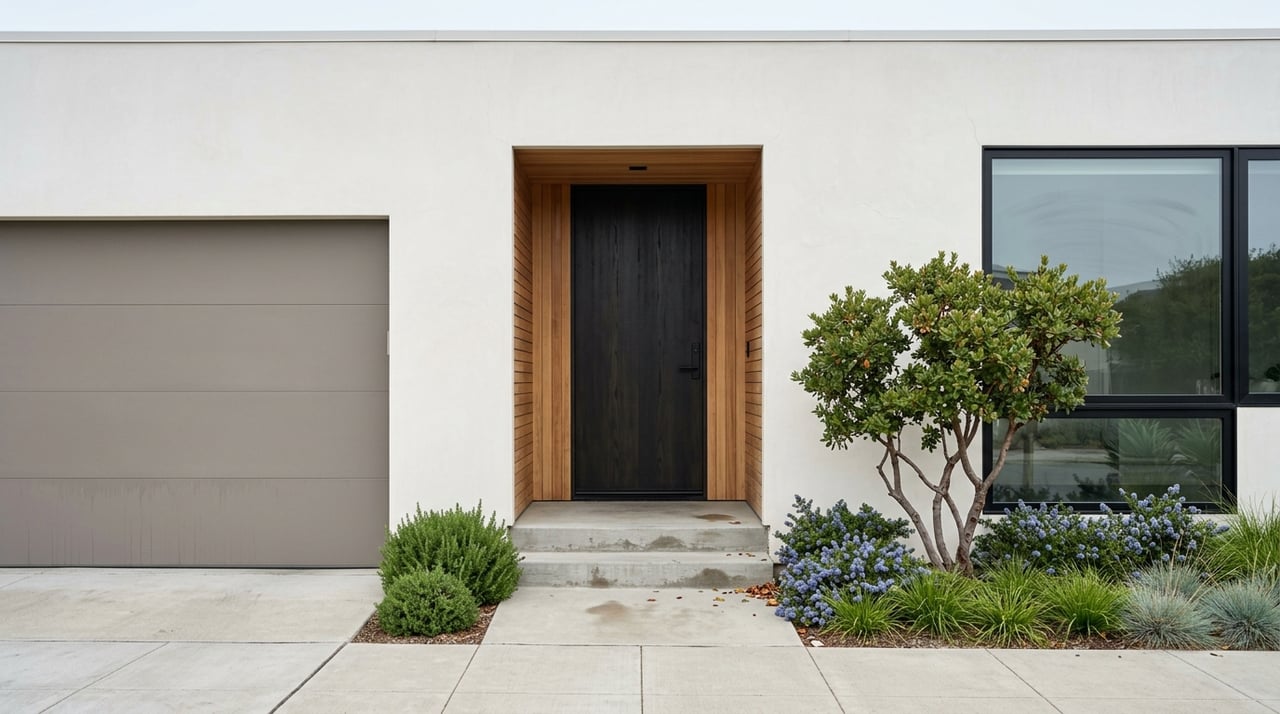
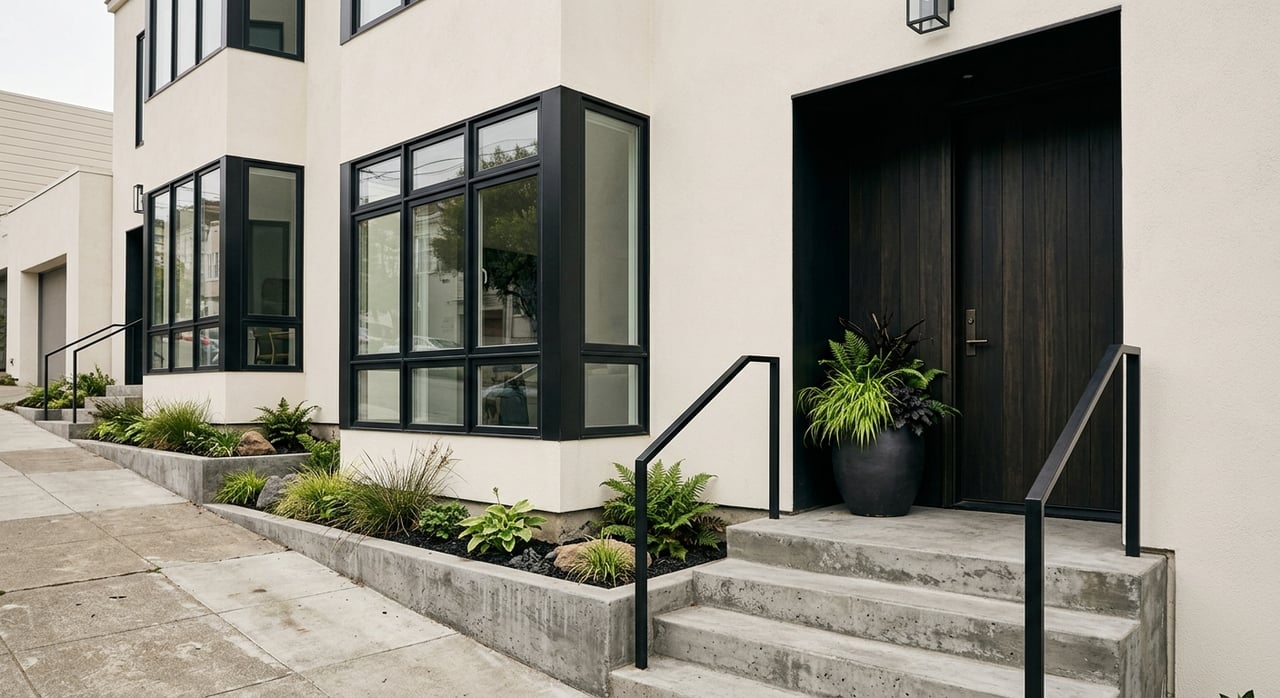
Before you think about major updates, focus on the improvements that consistently support presentation. According to the National Association of Realtors 2025 staging report, the most common seller recommendations were decluttering, cleaning the entire home, and improving curb appeal.
These steps work because buyers notice space, light, and condition quickly. They also shape how your home appears online, which is often where a buyer forms a first impression.
Declutter to make rooms feel larger
Clutter competes with your home’s best features. It can make rooms feel smaller, distract from natural light, and draw attention away from layout and finishes.
NAR’s photo guidance also notes that cameras magnify clutter and poor furniture arrangement. In many cases, removing one or two pieces of furniture from each room can help a space look larger in photos and in person.
Clean for a sharper first impression
A deep clean is one of the simplest ways to improve how your home shows. Buyers tend to connect visible cleanliness with overall upkeep, even when they are trying to stay objective.
Pay special attention to kitchens, bathrooms, floors, windows, and entry areas. In a competitive San Francisco market, small details can influence whether a buyer feels urgency or hesitation.
Depersonalize without making it cold
You want buyers to picture themselves in the home, not feel like they are visiting someone else’s life. That often means reducing personal photos, bold collections, and overly specific decor.
The goal is not to erase character. It is to create a clean, welcoming backdrop that helps buyers focus on the home itself.
Choose updates that support resale
Not every improvement deserves your time or budget before listing. For resale, modest and visible upgrades often make more sense than large, taste-driven remodels.
NAR’s 2025 Remodeling Impact Report says agents most often recommend painting the entire home or a single interior room before listing. The same report also shows that several practical projects, such as a new steel front door, closet renovation, and new fiberglass front door, ranked among the highest cost-recovery items.
Paint is often the fastest visual reset
Fresh paint can brighten rooms, unify mismatched finishes, and make a home feel better maintained. It is also one of the easier ways to modernize a space without changing layout or materials.
If your home has strong architectural style, paint can help highlight it. If your property feels dated, neutralizing worn or highly personal colors can make the home more broadly appealing.
Focus on cosmetic over custom
Kitchen and bathroom improvements can matter, but full remodels are not always the smartest pre-sale move. In many cases, cosmetic improvements such as paint, hardware, lighting refreshes, flooring touch-ups, and cabinet refinishing can improve presentation without the cost and timeline of a full renovation.
That is especially important if you are trying to bring a property to market while buyer demand is still strong in your segment. Over-improving can add risk if the work is expensive, highly specific, or slow to complete.
Stage where buyers care most
Staging has some of the clearest evidence behind it. In NAR’s 2025 Profile of Home Staging, 83% of buyers’ agents said staging made it easier for buyers to visualize a property as a future home.
The same report found that some agents saw staging influence value and time on market. Seventeen percent said staging increased dollar value offered by 1% to 5%, 10% said 6% to 10%, and seller-side agents reported both slight and large decreases in time on market.
Prioritize the key rooms
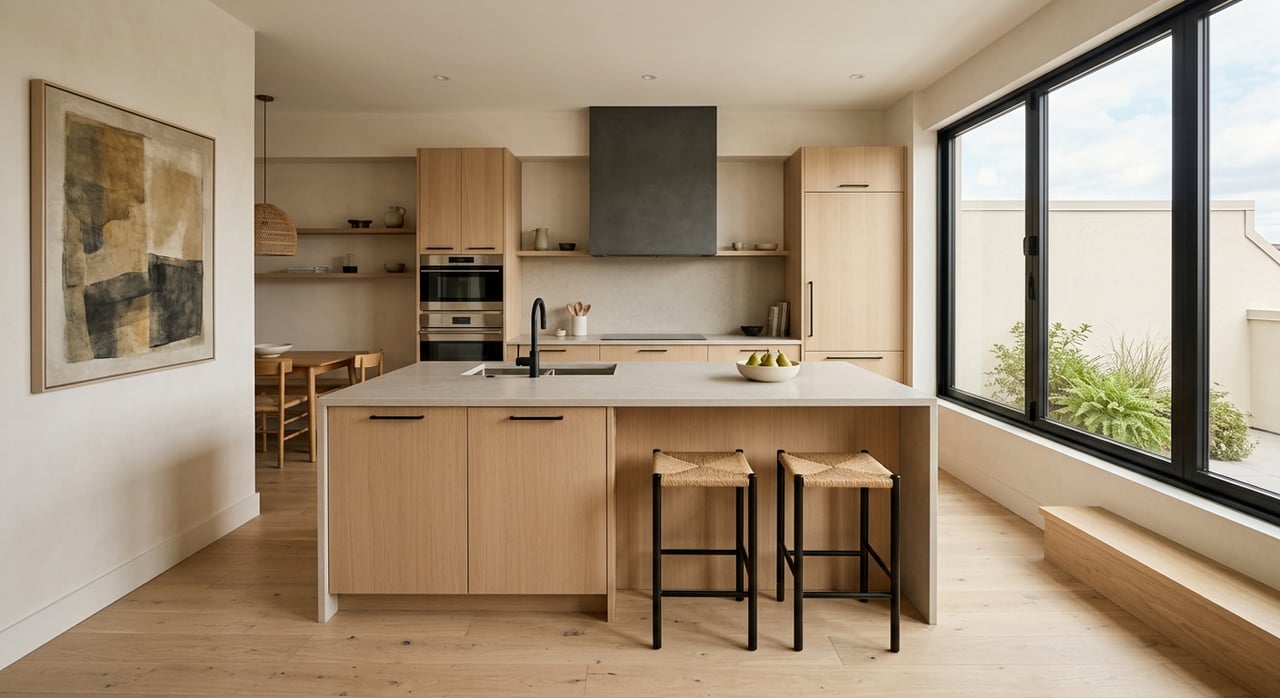
You do not always need to stage every inch of the property. NAR reports that the living room, primary bedroom, and kitchen are the rooms buyers care about most and the ones sellers stage most often.
If you are deciding where to spend, start there. Those spaces typically carry the strongest emotional and visual weight in both listing photos and in-person tours.
Match staging to your home’s market position
A well-staged luxury condo in Hayes Valley may need a different look than a single-family home in Noe Valley or a view property in Diamond Heights. The staging should support the home’s architecture, scale, and likely buyer expectations.
In San Francisco, where many homes have unique layouts, hillside settings, or period details, staging can also help explain the flow of a space. That can be especially valuable for homes that are architecturally distinctive or harder to categorize at a glance.
Invest in premium visuals
Even excellent prep can fall flat if the marketing does not capture it well. NAR’s 2025 staging report found that buyers’ agents considered photos, physical staging, videos, and virtual tours highly important.
This matters because most buyers meet your home online first. If the listing presentation feels flat, cluttered, or poorly lit, many buyers will move on before ever scheduling a showing.
Photos set the standard
High-resolution photography is essential. NAR’s seller photo-shoot guidance notes that buyers who like what they see online expect the same home in person.
That means your home needs to be photo-ready before the camera arrives. Good images do not fix weak prep. They amplify either the strengths or the flaws already in the home.
Video helps tell the story
For homes with strong design, views, unusual floorplans, or a strong indoor-outdoor feel, video can add context that still photos miss. It can help buyers understand scale, movement, and mood.
That lines up well with a strategic San Francisco listing approach, especially when the property is distinctive or competing at a higher price point. Strong visual storytelling can make a home feel more memorable before a buyer even steps inside.
Be careful with permits and older homes
In San Francisco, prep timing is not just about design choices. It is also about understanding local building rules before work begins.
The city’s permit guidance says many permit applications require plans, though some simple no-plan projects may qualify, such as same-size and same-location window replacement, door replacement, siding repair, roof replacement, and certain kitchen or bathroom remodels that do not change the floor plan or add a new shower or bathtub.
Know when simple projects are not so simple
A cosmetic update can turn into a longer project if it affects layout, plumbing, electrical, or other building systems. If you are considering anything beyond basic surface-level work, it is smart to check the requirements before setting your listing timeline.
This is one reason many sellers benefit from focusing first on visible, low-disruption improvements. You can often improve presentation significantly without taking on the risk of a larger construction schedule.
Older housing stock may trigger lead-safe rules
Many San Francisco homes were built decades ago, and that can affect prep decisions. According to the San Francisco Department of Building Inspection, work that disturbs or removes lead-based paint in pre-1979 buildings must follow local lead-safe rules.
If your project creates dust or debris by disturbing painted surfaces, that is something to check carefully before work starts. It is another reason to plan early if your home needs more than light cosmetic prep.
Use prep dollars strategically
Pre-sale prep is not just about what to do. It is also about how to sequence the work and manage the budget.
For some sellers, the best path is a focused plan that includes decluttering, cleaning, selective paint, staging, and premium media. For others, it may make sense to add flooring, landscaping, storage, or light cosmetic renovations depending on the property’s condition and target price.
Consider financing prep work carefully
Compass Concierge can be positioned as a way to front the cost of certain home-improvement services with zero due until closing, according to Compass. Covered services may include staging, decluttering, painting, flooring, landscaping, moving and storage, cosmetic renovations, and kitchen or bathroom improvements.
For San Francisco sellers, that can be useful as a coordination and cash-flow tool when you want to complete front-loaded prep before listing. As with any program, the focus should be on whether the work supports your strategy, timeline, and market position. Compass also notes that fees or interest may apply depending on your state of residence.
A smart San Francisco prep plan
The highest-impact pre-sale strategy is usually the one that improves how buyers experience your home without creating unnecessary delay. In San Francisco, that often means starting with decluttering, cleaning, depersonalizing, staging key rooms, and investing in strong photography and video.
From there, the right cosmetic updates depend on your neighborhood, your price tier, and how your home compares with current competition. A disciplined prep plan can help your property enter the market looking intentional, polished, and ready to compete.
If you want a strategic plan tailored to your home, your neighborhood, and your timeline, James Rowbotham can help you prepare, position, and market your San Francisco property with a clear, high-touch approach.
FAQs
What pre-sale prep matters most for San Francisco sellers?
- The most broadly supported steps are decluttering, cleaning, improving curb appeal, staging key rooms, and using strong photography and video.
What rooms should San Francisco sellers stage first?
- The living room, primary bedroom, and kitchen are typically the highest-priority rooms based on buyer interest and common staging practice.
Should San Francisco sellers remodel before listing?
- Not always. Modest cosmetic updates often make more sense than major, taste-driven remodels, especially when timeline and resale efficiency matter.
Do San Francisco sellers need permits for pre-sale updates?
- Some simple projects may qualify without plans, but work involving layout changes, plumbing, electrical, or similar issues should be checked against San Francisco permit requirements before starting.
Do older San Francisco homes have special prep rules?
- Yes. In pre-1979 buildings, work that disturbs or removes lead-based paint must follow local lead-safe requirements.
Can San Francisco sellers use Compass Concierge for listing prep?
- Compass presents Concierge as a way to front certain prep costs with zero due until closing for eligible services, though fees or interest may apply depending on your state of residence.